

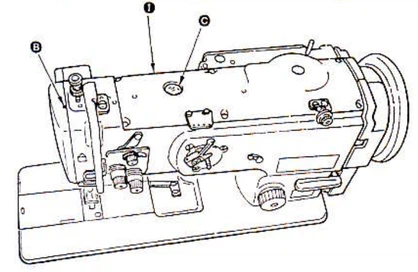
In a production workshop, the steady, regular hum of an industrial sewing machine is a symbol of productivity. However, when this sound is interrupted by harsh impacts, friction, or unusual noises, it not only disrupts the tranquility of the work environment but may also indicate an internal malfunction requiring urgent attention. Promptly identifying and addressing these noises is not only crucial for ensuring product quality but also crucial for extending equipment life and ensuring safe production.
Abnormal noise in industrial sewing machines is essentially a vibration signal generated by abnormal operation of internal parts. Understanding this unique "language" can help you find the right solution. These noises often point to the following common problems, which users can identify for initial troubleshooting.
- Wear of Core Transmission Components: Hidden Dangers of Bearings and Locking Bushes
When the noise originates from the sewing machine head and is accompanied by a dull, grinding sound, wear on the needle roller bearings or locking bushings of the licker-in (a component associated with the feed dog) is the primary cause. Under prolonged, high-load operation, these core transmission components can experience increased clearance or lubrication failure, leading to unstable operation and noise.
Solution: Once the cause is confirmed, the most effective solution is to directly replace the needle roller bearings or locking bushings, ensuring that qualified lubricants are used to restore transmission accuracy.
- Structural Looseness: Warning of Loose Screws
If the noise is characterized by an intermittent, crisp "clicking" or shaking sound, it is likely that the fixing screws of the licker-in bearing have loosened. While this looseness may be a minor issue, if not addressed promptly, it can exacerbate wear on related components and even lead to more serious mechanical failure.
Solution: Immediately shut down the machine, tighten the bearing screws to the specified torque using specialized tools, and conduct regular inspections to prevent further problems.
- Dynamic Balance Improperness: Professional Repair of Balance Weight Misalignment
If you hear an irregular, clanking sound when gently turning the machine head, it's likely that the balance weight inside the licker-in roller has shifted. The balance weight's function is to offset the centrifugal force generated by high-speed rotation. Misalignment can cause severe vibration and noise throughout the machine.
Solution: Since dynamic balancing requires specialized equipment and precise adjustment, users should never disassemble the machine themselves. The machine must be returned to the original manufacturer or an authorized repair center for repair to ensure accurate balancing.
- Power System Failure: Chain Reaction Between Fan and Bearings
If the noise originates from the rear of the equipment or the fan, accompanied by a high-pitched, unusual sound, the problem may be with the cooling system. Wear on the fan shaft or its supporting bearings can cause the fan to run eccentrically, generating noise.
Solution: Replace the damaged shaft or bearing. Also, check lubrication to avoid dry running due to lack of oil.
- Pneumatic Component Damage: Risk of Cracks in the Centrifugal Impeller
If the fan noise is mixed with a sound like air ripping through the air, check the centrifugal impeller or blades for cracks. A cracked impeller not only reduces efficiency and increases noise at high speeds, but also poses a risk of breaking and flying off.
Solution: Minor damage can be repaired by the manufacturer, but to ensure safety and performance, it is often recommended to simply replace the impeller assembly.
If your industrial sewing machine has similar problems, or you want to replace it with a higher quality industrial sewing machine, please feel free to contact KINGMAX.
To contact us:
Whatsapp:86-13991289750 Wechat:86-18092437695
Email:dekoco@vip.163.com ,sales@kingmaxsew.com
Website:www.kingmaxsew.com